
Cybersecurity Implications in the Context of the Rise of Remote Work
by Claudiu Hulea · IT Management Consultant
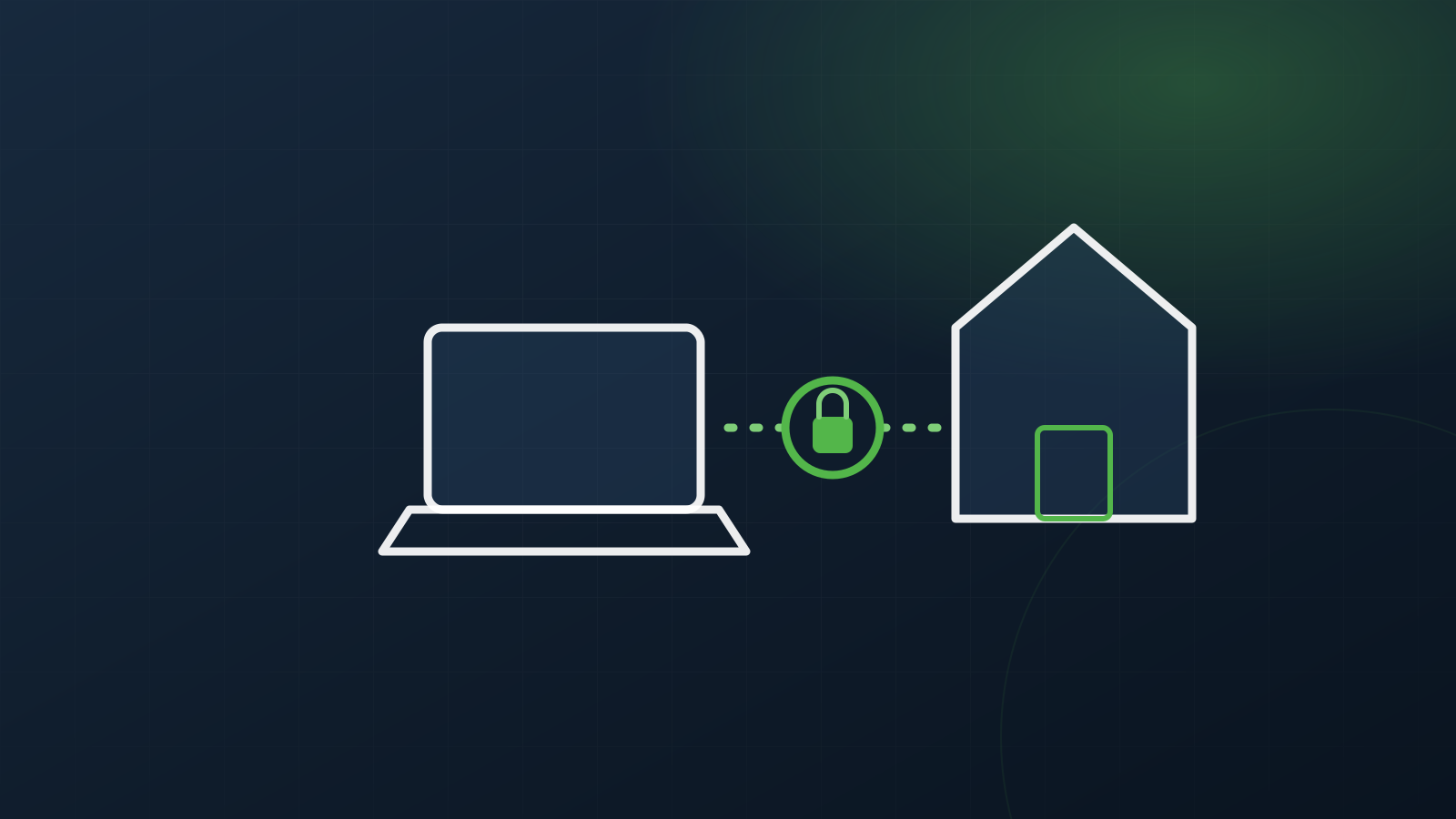
What are the cybersecurity implications in the context of the rise of remote work and the widespread adoption of remote work technologies?
See what the cybersecurity implications are in the context of the rise of remote work and the widespread adoption of remote work technologies.
The rise of remote work and the widespread adoption of remote work technologies have significant implications for cybersecurity. Here are some important aspects to consider:
1. Expansion of the attack surface: Remote work often involves the use of personal devices and access to unsecured networks, which can expand the attack surface and increase the risk of systems and sensitive data being compromised.
2. Security of personal devices: Using personal devices to access corporate networks can raise security concerns, as these devices may be more vulnerable to threats than devices managed by the organisation. It is important to implement security measures such as antivirus software, regular software updates and encryption of data stored on devices.
3. Access to networks and sensitive data: Organisations must carefully manage access to their networks and sensitive data in a remote work environment. Using multi-factor authentication and implementing role-based access control policies can help protect these resources against unauthorised access.
4. Encryption of communications: Using encryption solutions to protect communications between users’ devices and the corporate infrastructure is essential to prevent interception and unauthorised access to transmitted data.
5. Network and infrastructure security: Ensure that the network infrastructure and cloud services used to facilitate remote work are properly secured by implementing protection solutions against cyber threats, such as firewalls, intrusion detectors and network traffic monitoring.
6. User education and awareness: Encourage users to remain vigilant and adhere to cybersecurity practices while working remotely. Good education and awareness of cyber threats can help prevent attacks and protect the organisation’s data.
7. Mobile device management: Implementing mobile device management policies and solutions can help protect devices used for remote work by enforcing security policies, managing software updates and wiping data in the event of loss or theft.
In conclusion, the rise of remote work and the adoption of remote work technologies bring considerable benefits to organisations, but they require greater attention to cybersecurity. By implementing appropriate security measures and through user education and awareness, organisations can manage the risks associated with these changes and ensure a safe and secure remote work environment.
Frequently asked questions
How does remote work change security risk?
It expands the attack surface: personal devices and unsecured networks, access to corporate resources from outside the perimeter. The main risks are more-vulnerable personal devices, access to sensitive data, and interception of communications — which is why MFA, encryption and access control matter.
What measures reduce remote-work risk?
Multi-factor authentication and role-based access control, encryption of communications (VPN/encryption solutions) and of data on devices, securing the network and cloud services (firewall, IDS, monitoring), mobile device management (MDM), and user education.
Why are personal devices a risk?
Because they aren't managed by the organisation and can be more vulnerable than corporate ones. Without antivirus, regular updates, encryption and MDM policies (including remote wipe on loss or theft), they become an entry point into the company network.