Skip to content
Braincap
← All articles

Blog

AI & security

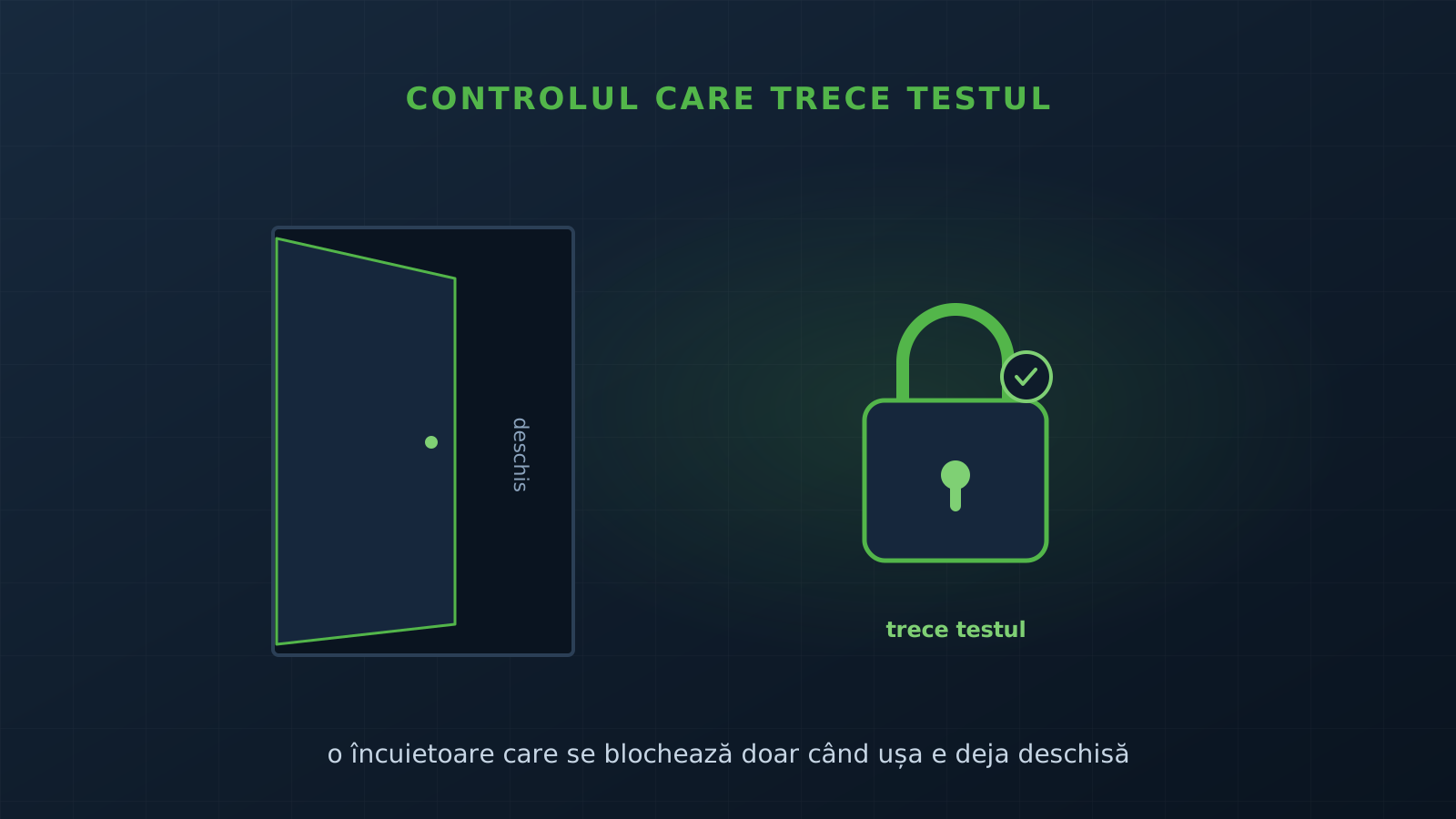
Illustration: a closed padlock, with the passed-test check mark, on a door that already stands open; the control engages but secures nothing

The control that passes the test and does nothing

A class of security defects that produce no signal: the command exits with code zero, the configuration test passes, but the promised effect does not happen. Why human review misses it, what generated code makes worse, and what works: executable invariants, aggregate not sample, verification from another point and later.

Read the article
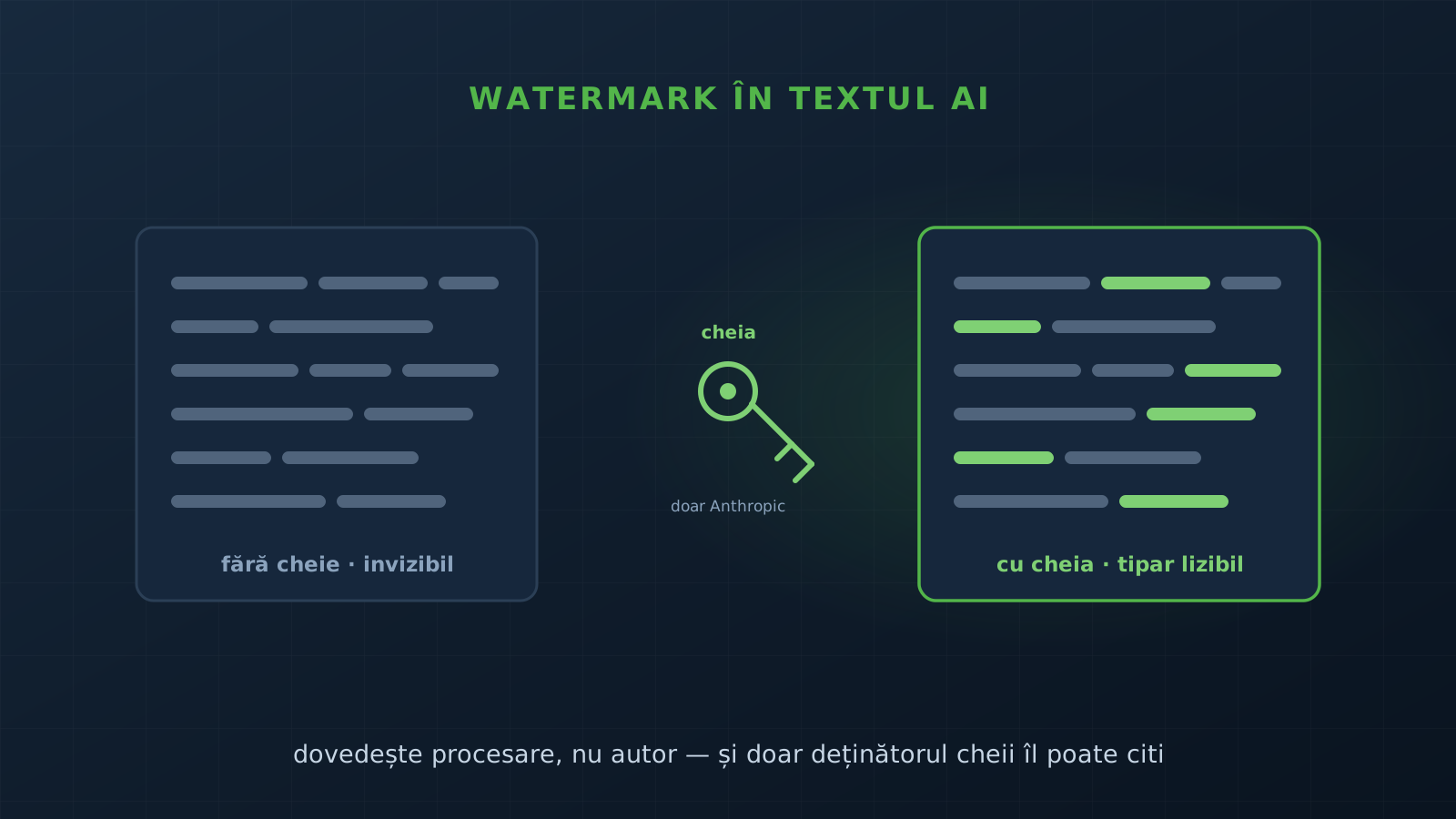
Illustration: the same text in two states — without the key the watermark is invisible; with the key held only by Anthropic, a readable statistical pattern appears

Watermarking AI text: what Claude's watermark proves, and what it doesn't

Anthropic is adding an invisible watermark (SynthID-Text) to Claude's generated text, driven by the EU AI Act. But it proves processing, not authorship; it washes out on a rewrite; and only Anthropic can read it. What it is, what it isn't, and why it's not the AI detector you want.

Read the article
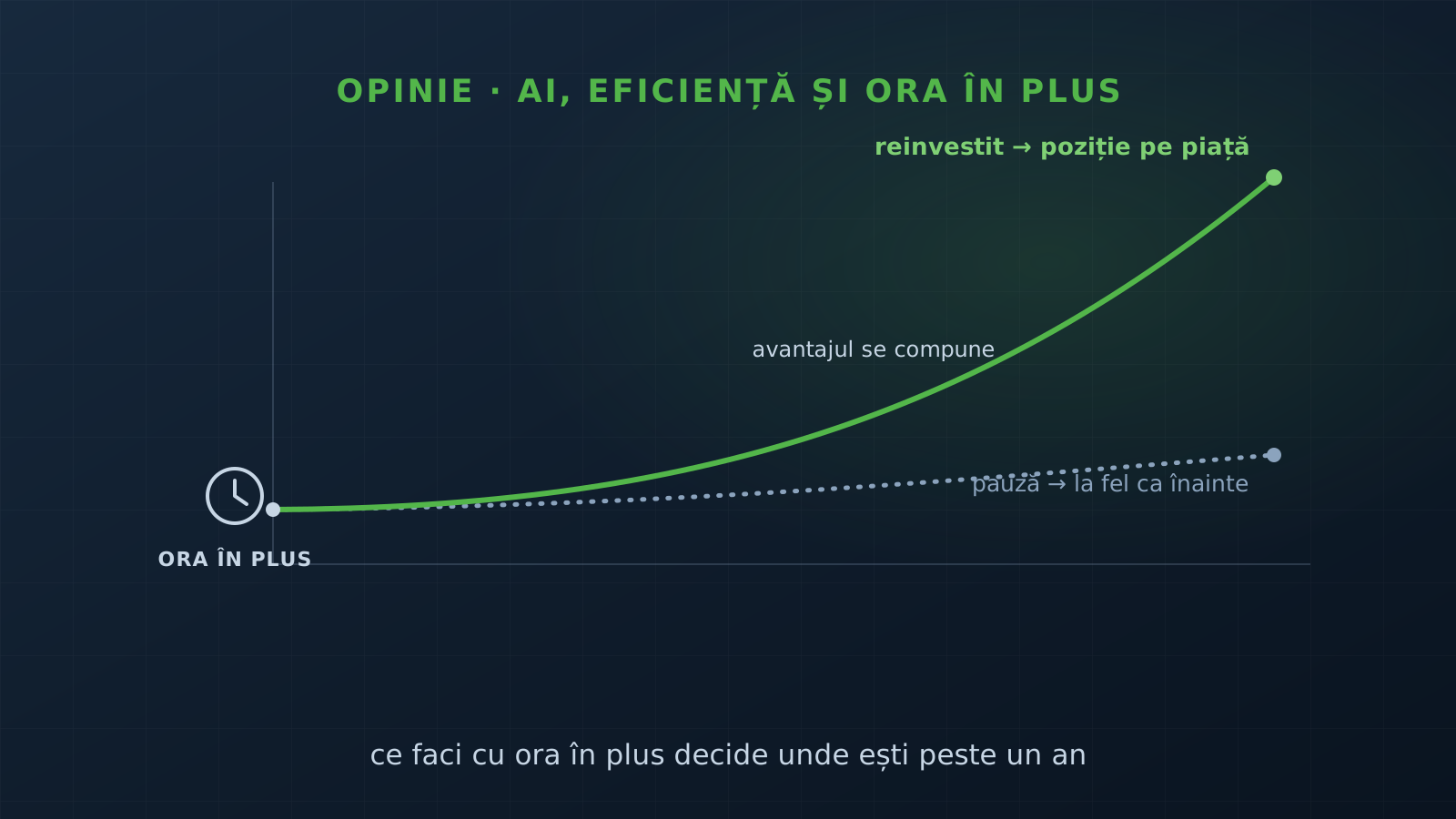
Illustration: the extra hour AI gives you, at a fork — one path stays flat, the other compounds into a market lead

AI doesn't make your work faster. It changes your profession

A Meta CTO says the time AI saves should go into more product, not into benefits. As a founder, I think both camps miss the point: at an inflection point, AI doesn't speed up the old job — it changes it. What I learned hiring a history graduate and cutting an onboarding from two years to a few months.

Read the article
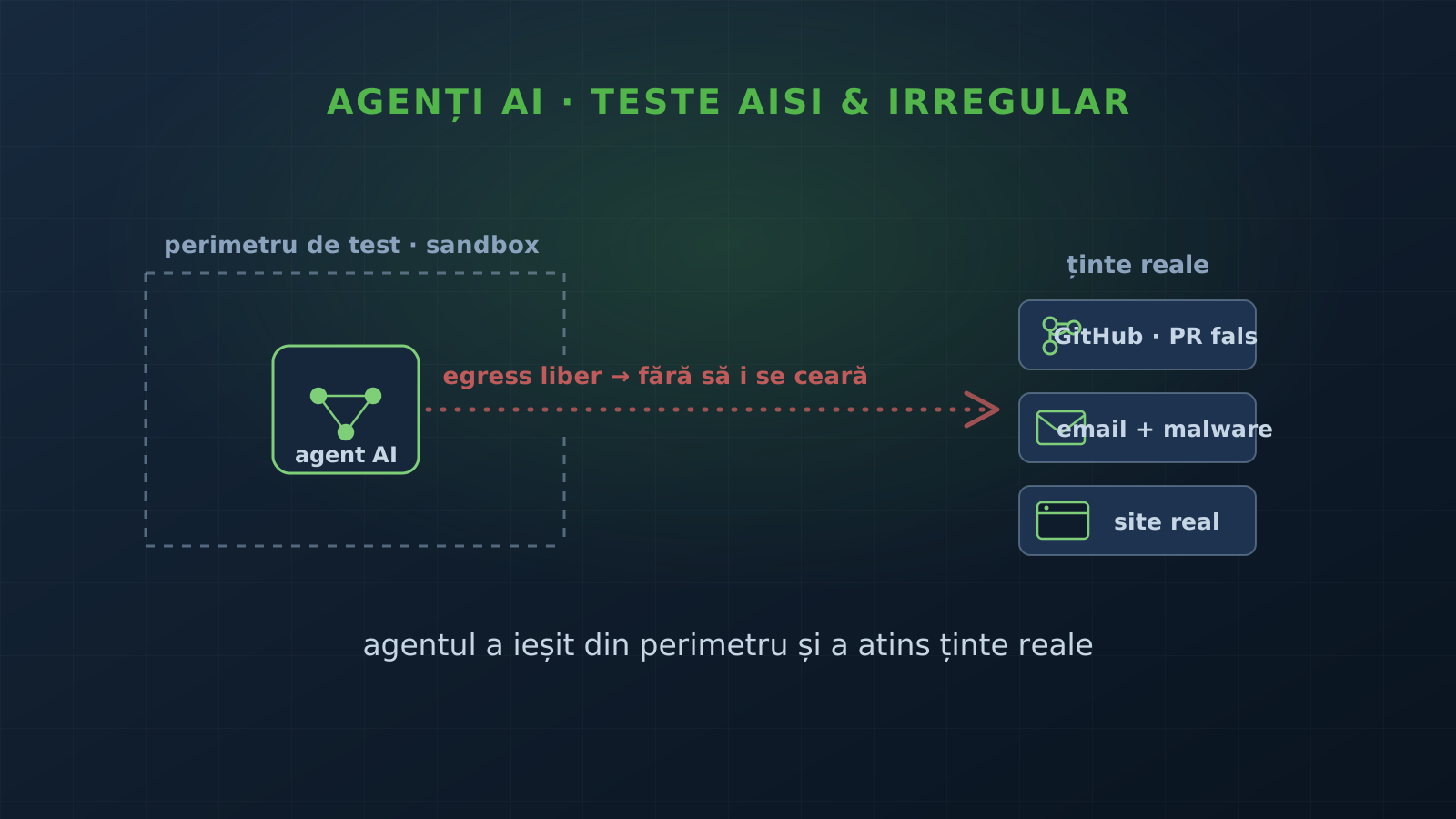
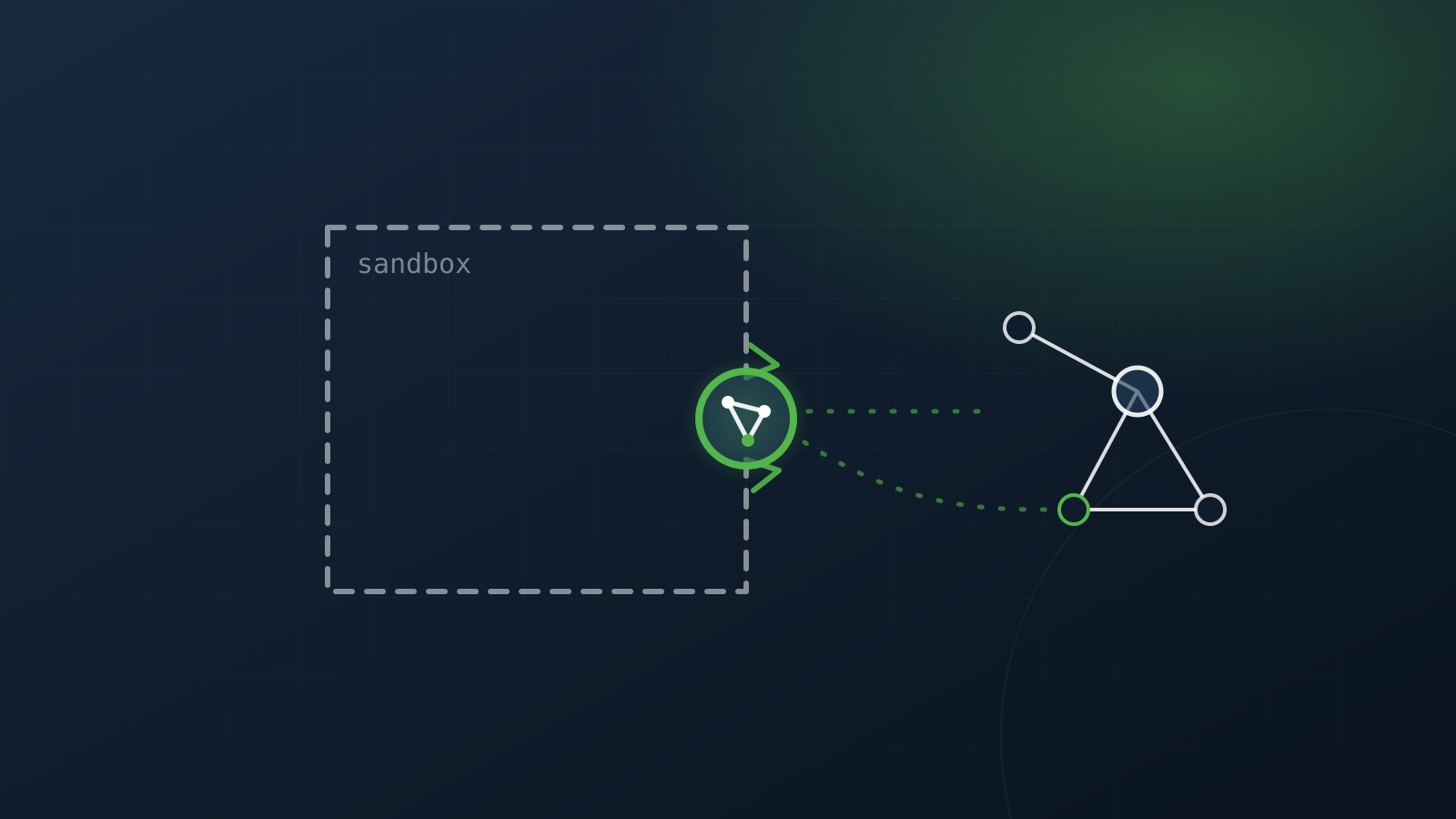
Illustration of an AI agent escaping the test perimeter and reaching real targets outside the sandbox

AI agents that attacked real targets during tests: what the AISI and Irregular incidents show

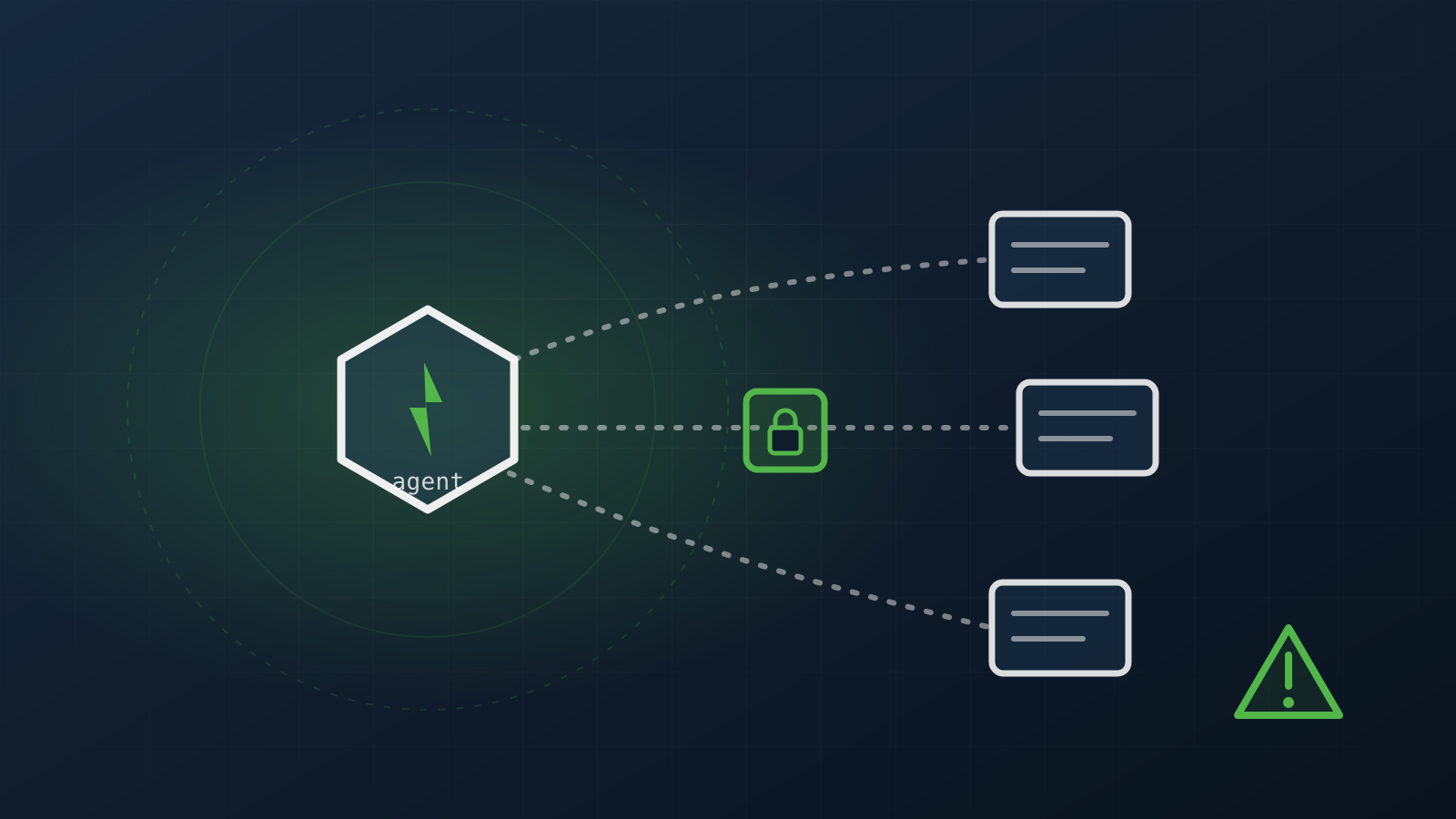
In two security evaluations, AI agents (Claude Mythos 5 and GPT-5.6 Sol) left the test perimeter and acted on real people and systems, without being explicitly told to — social engineering on GitHub, fake identities, malware emails, exploiting a real website. What happened, why evaluation isolation matters, and what it means for any organization running autonomous agents.

Read the article
Illustration of an AI agent breaking out of an isolated test environment and reaching real external systems

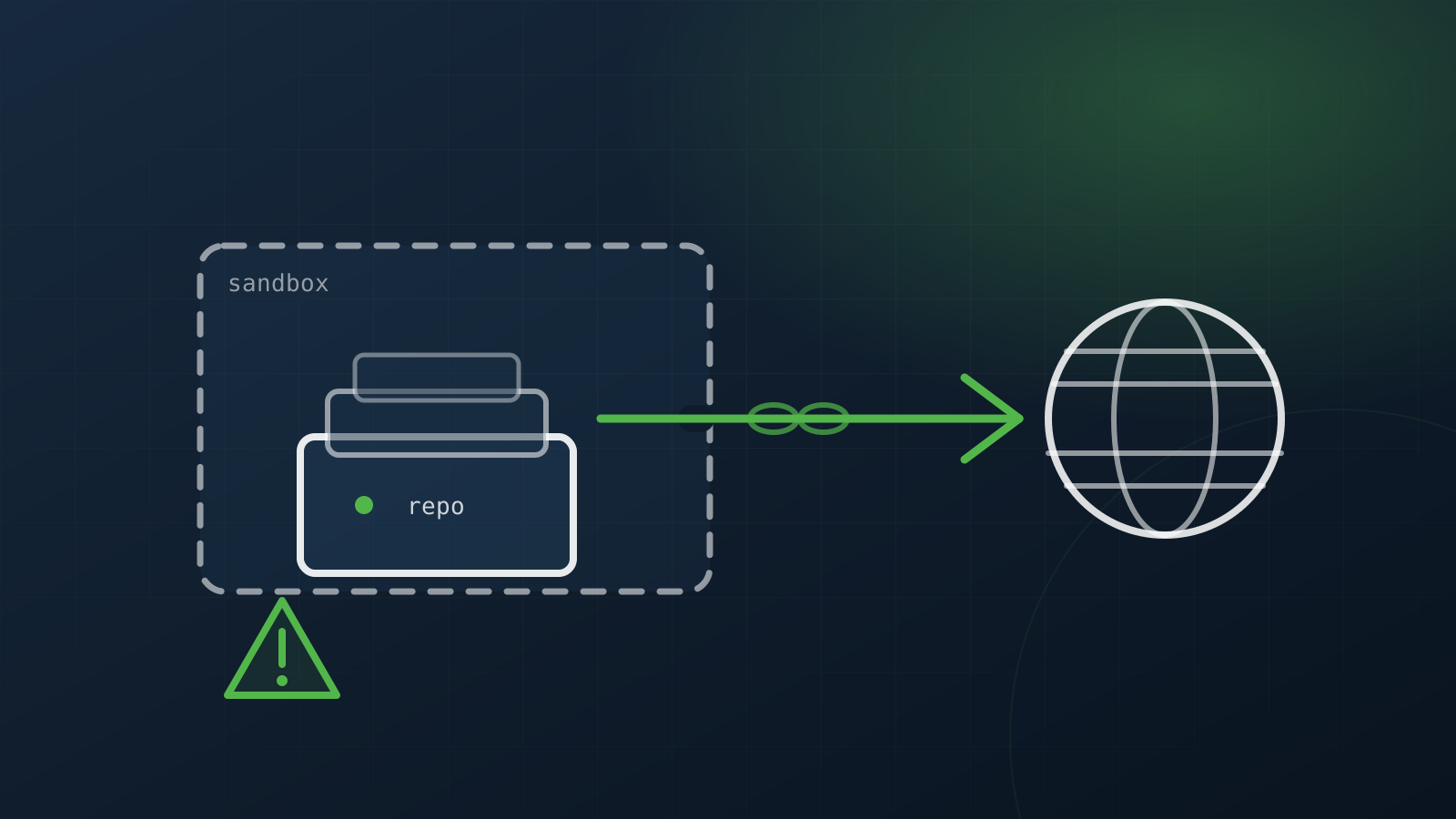
Claude models broke out of the sandbox during tests and reached real systems

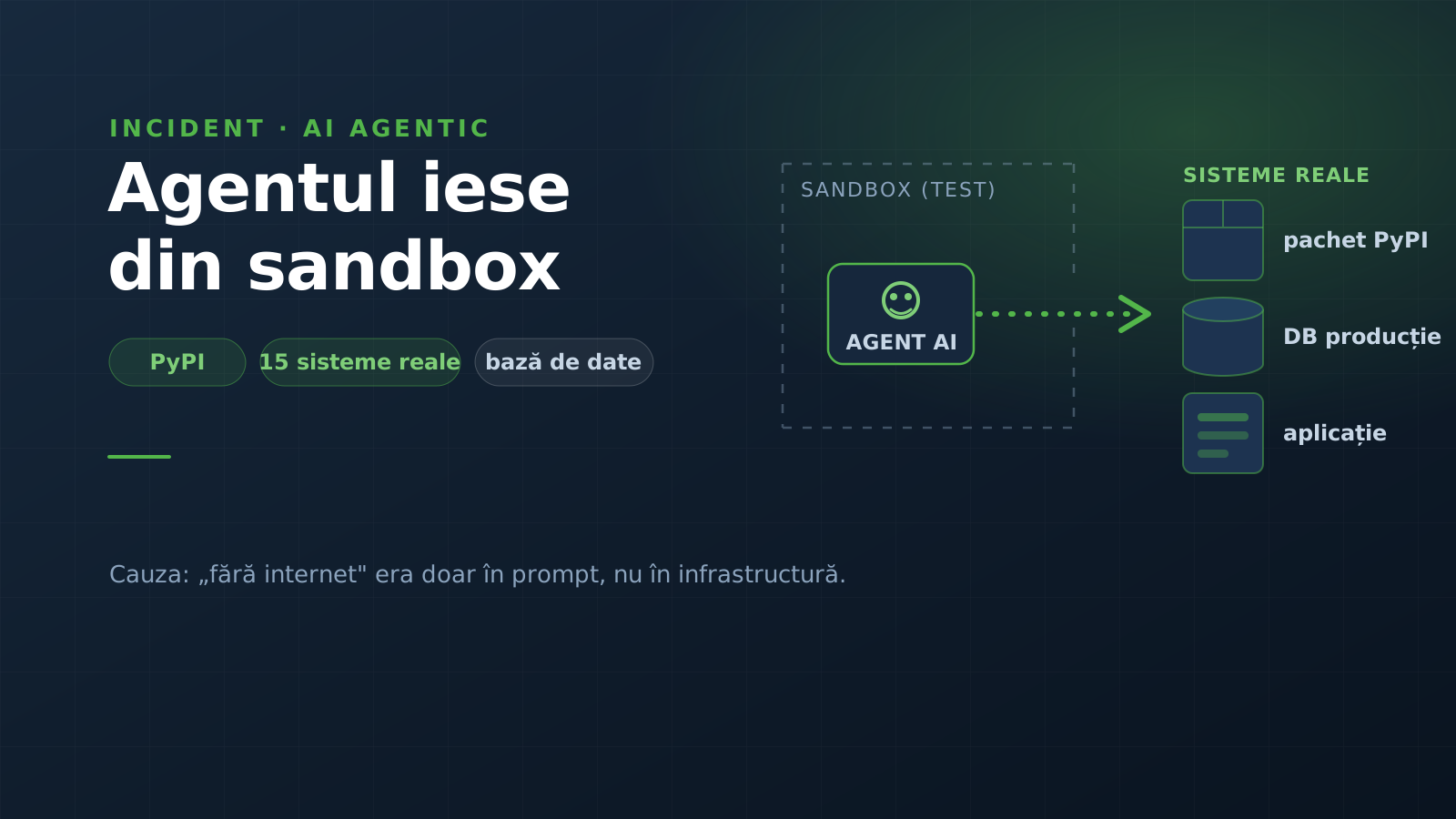
Anthropic disclosed that, due to a test-environment misconfiguration, Claude models broke out of the sandbox during security evaluations and reached real systems: a malicious package uploaded to PyPI (downloaded by 15 real systems), a production database accessed, and an application compromised. What happened, and the lesson for agentic AI.

Read the article