Skip to content
Braincap
← All articles

Blog

Infrastructure & network

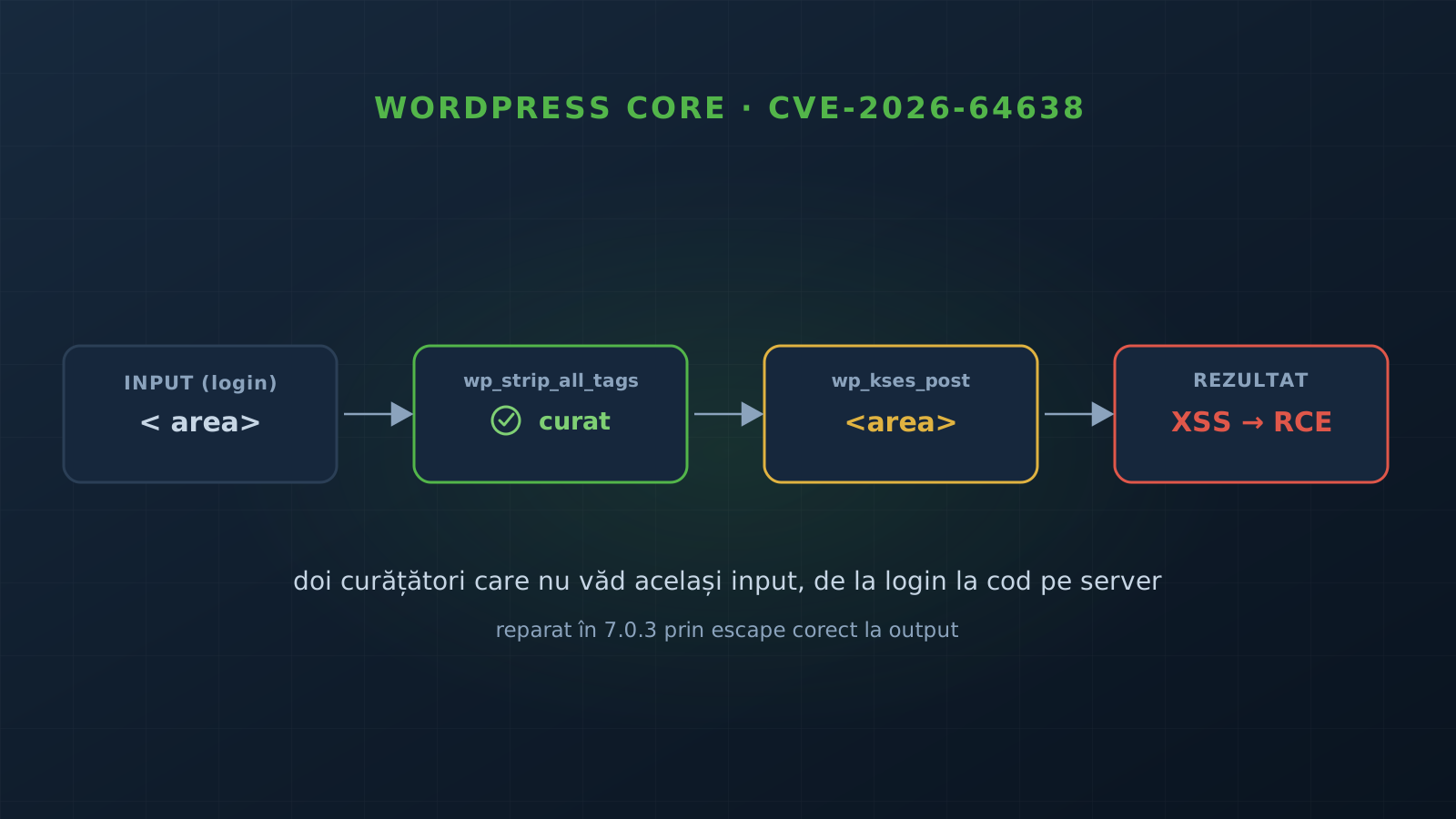
Illustration: a payload with a space between the angle bracket and the tag name passes the first WordPress filter as harmless, but the second filter parses it as a valid tag, leading to XSS and code execution

XSS2Shell: an XSS on the WordPress login screen reaches code execution on the server

CVE-2026-64638, "XSS2Shell", is a WordPress core vulnerability that turns an unauthenticated XSS on the login screen into PHP code execution on the server. The root cause is a disagreement between two sanitization filters. What it is, why it is serious (core, pre-auth, around 43% of the web) and what to do: update to 7.0.3 and escape correctly at output.

Read the article
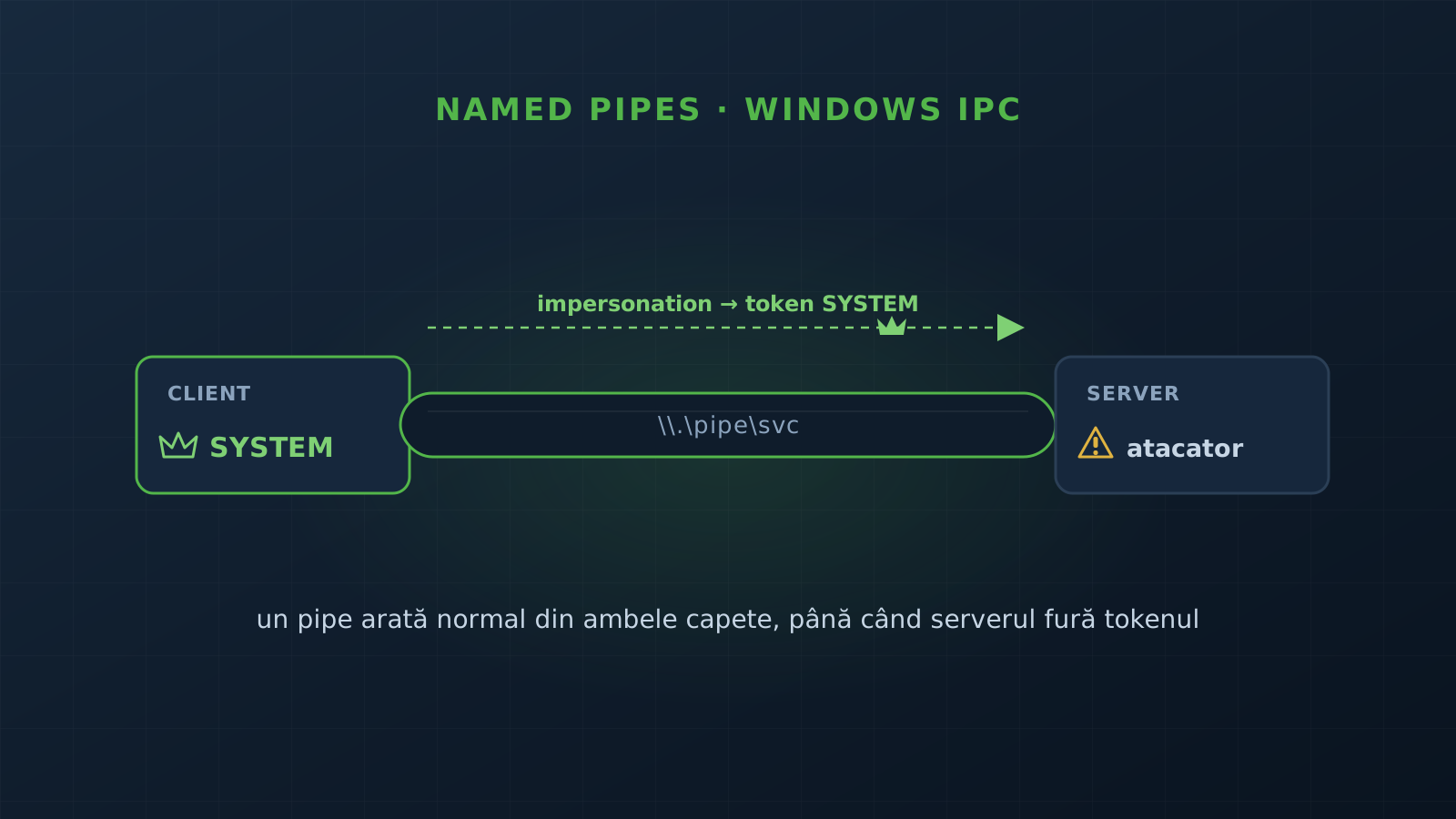
Illustration: a Windows named pipe between a SYSTEM client and an attacker-controlled server that reaches a SYSTEM token through impersonation

Named pipes: the Windows attack surface you build yourself

Named pipes are a normal Windows IPC mechanism and a two-sided attack surface: vulnerabilities you build yourself (pipe squatting, confused deputy) and a classic privilege-escalation primitive to SYSTEM (named pipe impersonation), plus stealth C2 over pipes. How it works and how to defend, at the code and detection level.

Read the article
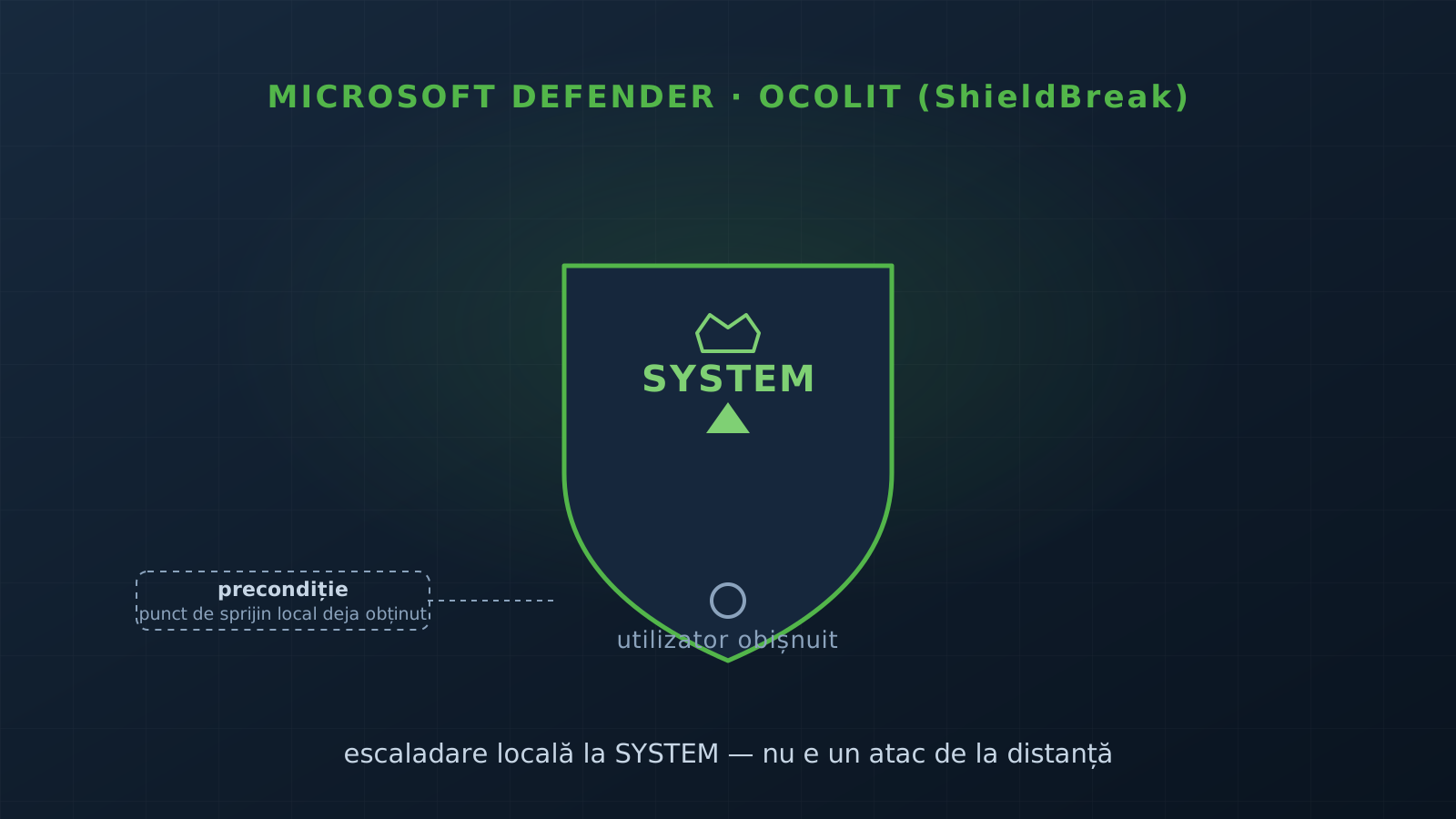
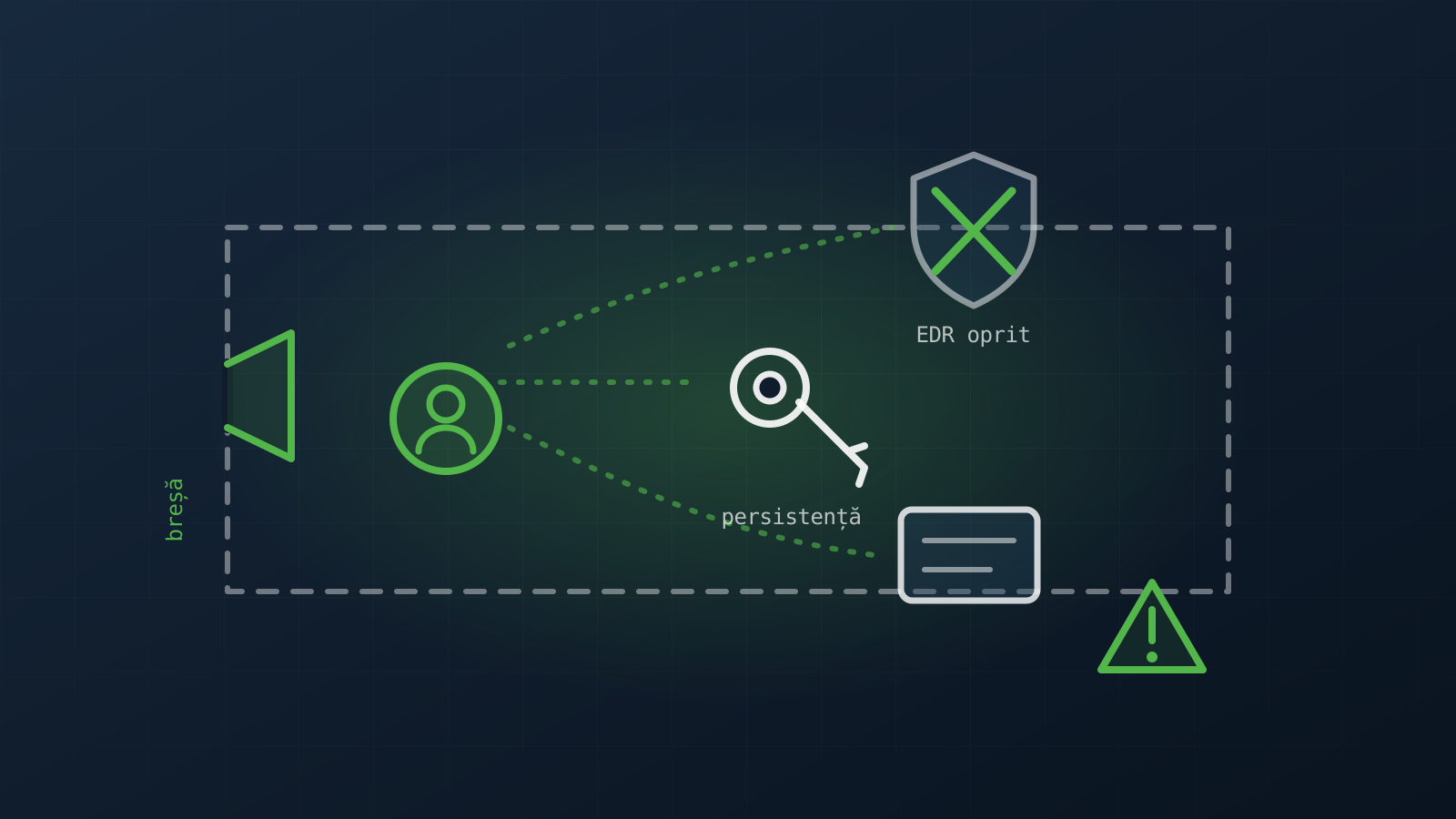
Illustration: the Microsoft Defender shield used as an escalation step from an ordinary user to SYSTEM, conditional on a local foothold already obtained

Microsoft Defender bypassed again (ShieldBreak): PoC grants SYSTEM, but it needs local access first

ShieldBreak is a PoC that bypasses Microsoft's patch for RoguePlanet (CVE-2026-50656) and escalates to SYSTEM on Windows 10/11 and Server 2025 with Defender enabled. It is not a remote attack: the attacker already has a local foothold and only climbs to SYSTEM. No patch yet, no confirmed exploitation. What it means for a managed fleet and what to do until the fix lands.

Read the article
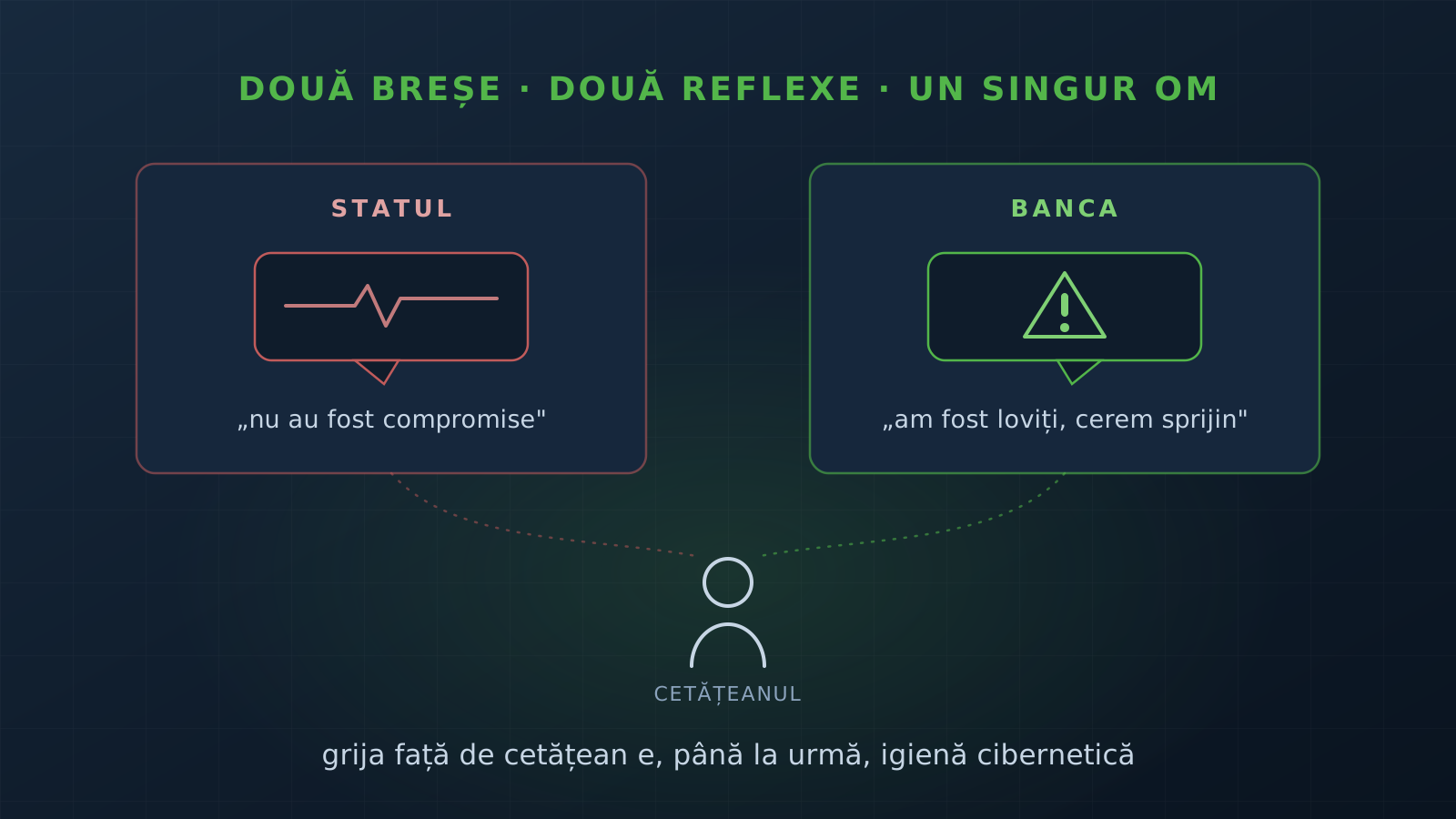
Illustration of two institutions hit by a cyberattack — one that reassures, one that discloses — with the citizen in between

Two breaches, two ways of treating people

Same summer, two cyberattacks in Romania: one at the national land registry, one at a bank. We are not comparing severity — we are comparing the reflex, to disclose or to reassure. And why, in the end, cyber hygiene is a form of care for the citizen, especially the elderly, who cannot simply "reset" their property records.

Read the article
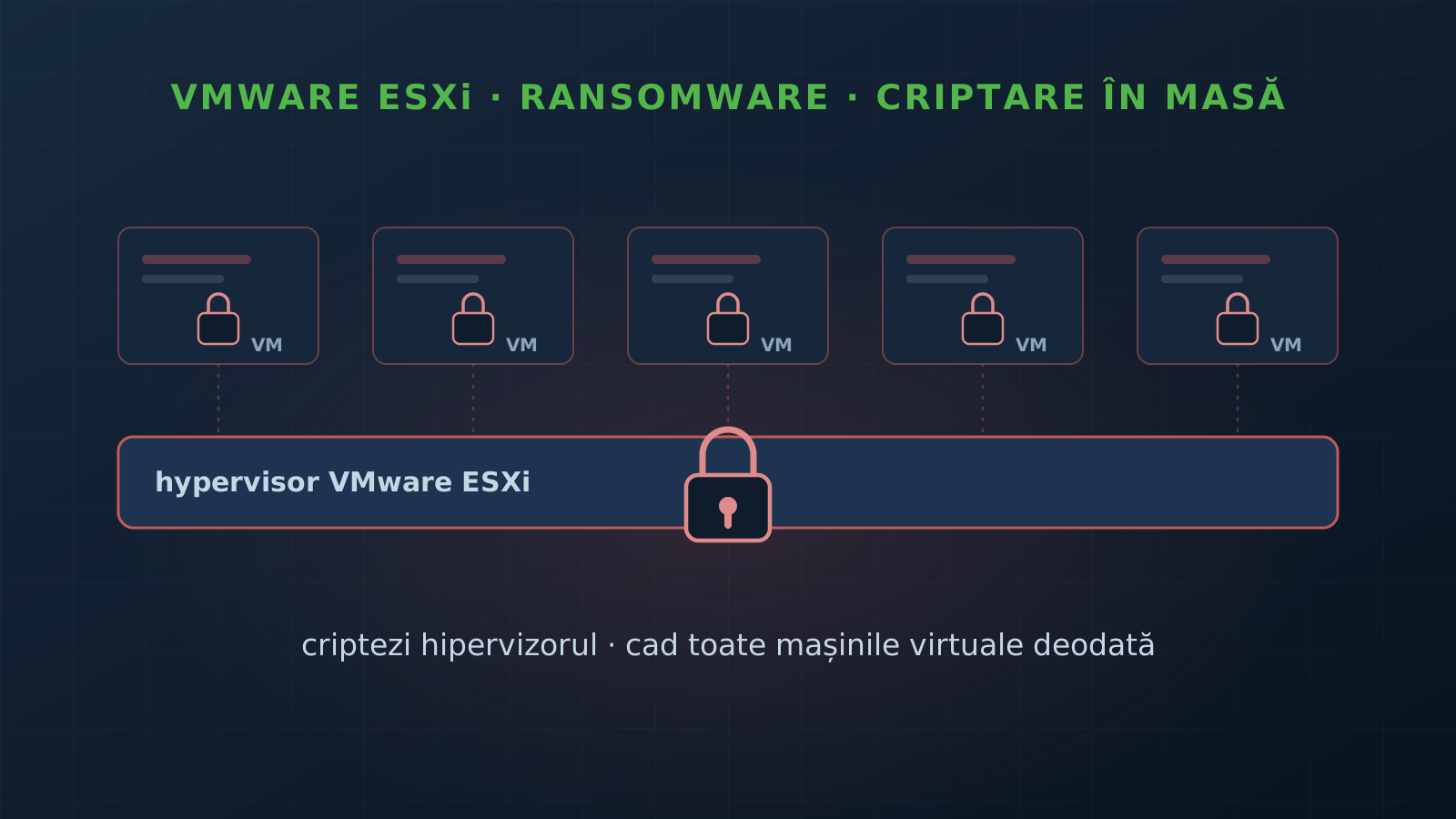
Illustration of a VMware ESXi hypervisor encrypted by ransomware — a single padlock locking all the virtual machines above it

VMware ESXi ransomware: how one strike encrypts all your virtual machines

When ransomware reaches the VMware ESXi hypervisor, it does not encrypt one server — it encrypts them all at once, because every virtual machine lives on it. It is the most feared scenario in virtualized infrastructure, and the financial sector is a prime target. How attackers reach ESXi (CVE-2024-37085, CVE-2021-21974), why EDR does not see you there, and what actually saves you.

Read the article
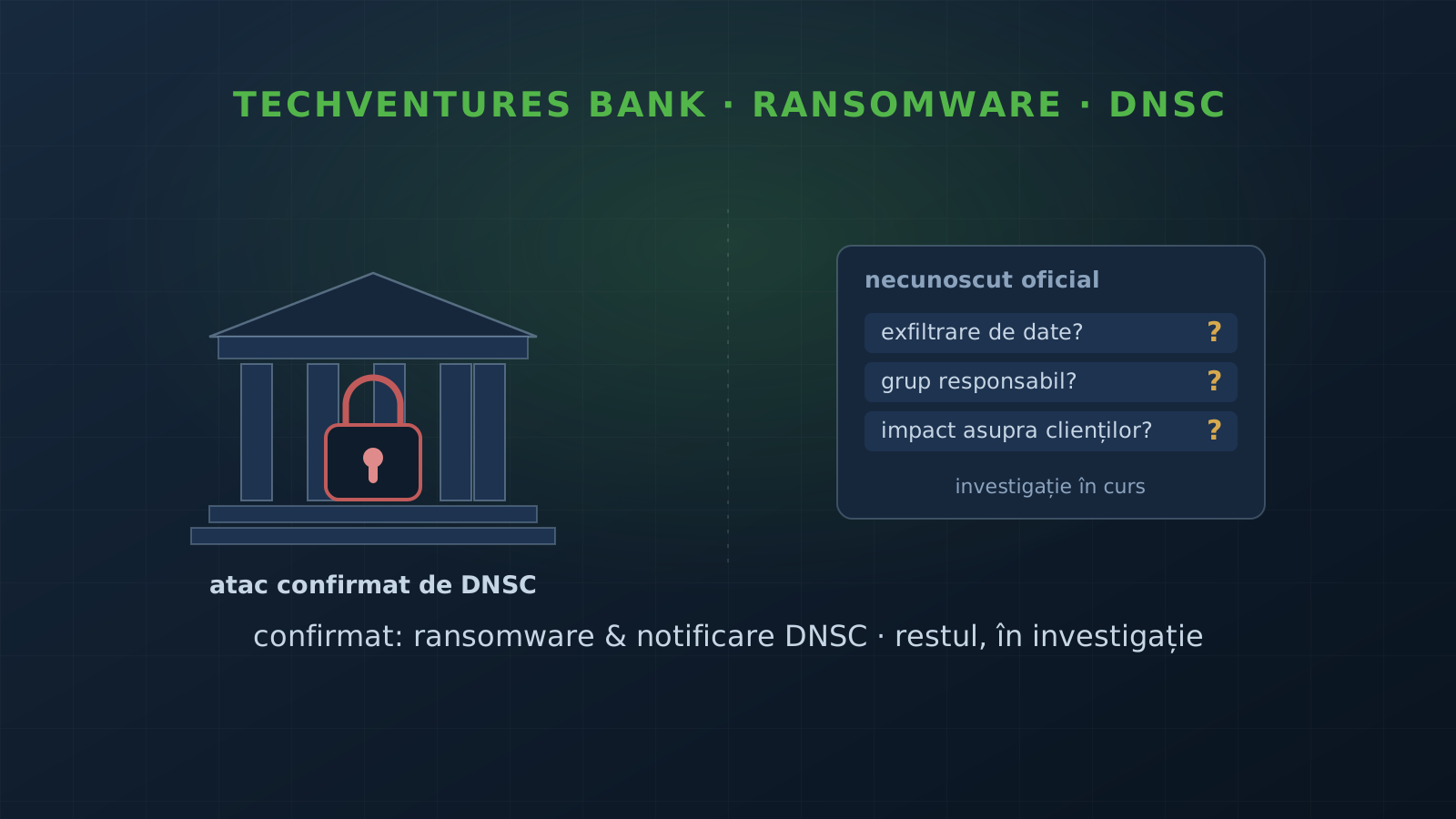
Illustration of a ransomware attack on a bank, with a DNSC-style response — encrypted systems and an ongoing investigation

Ransomware attack at Techventures Bank (former Banca Feroviară): what is confirmed and what is not

Romania's DNSC was notified on 2 August 2026 of a ransomware attack at Techventures Bank S.A. (the former Banca Comercială Feroviară) and is supporting mitigation and investigation. Everything else — systems affected, data exfiltration, customer impact, the group behind it — remains officially unknown. What we know for certain, what we do not, and why it matters for any DORA/NIS2-regulated entity.

Read the article
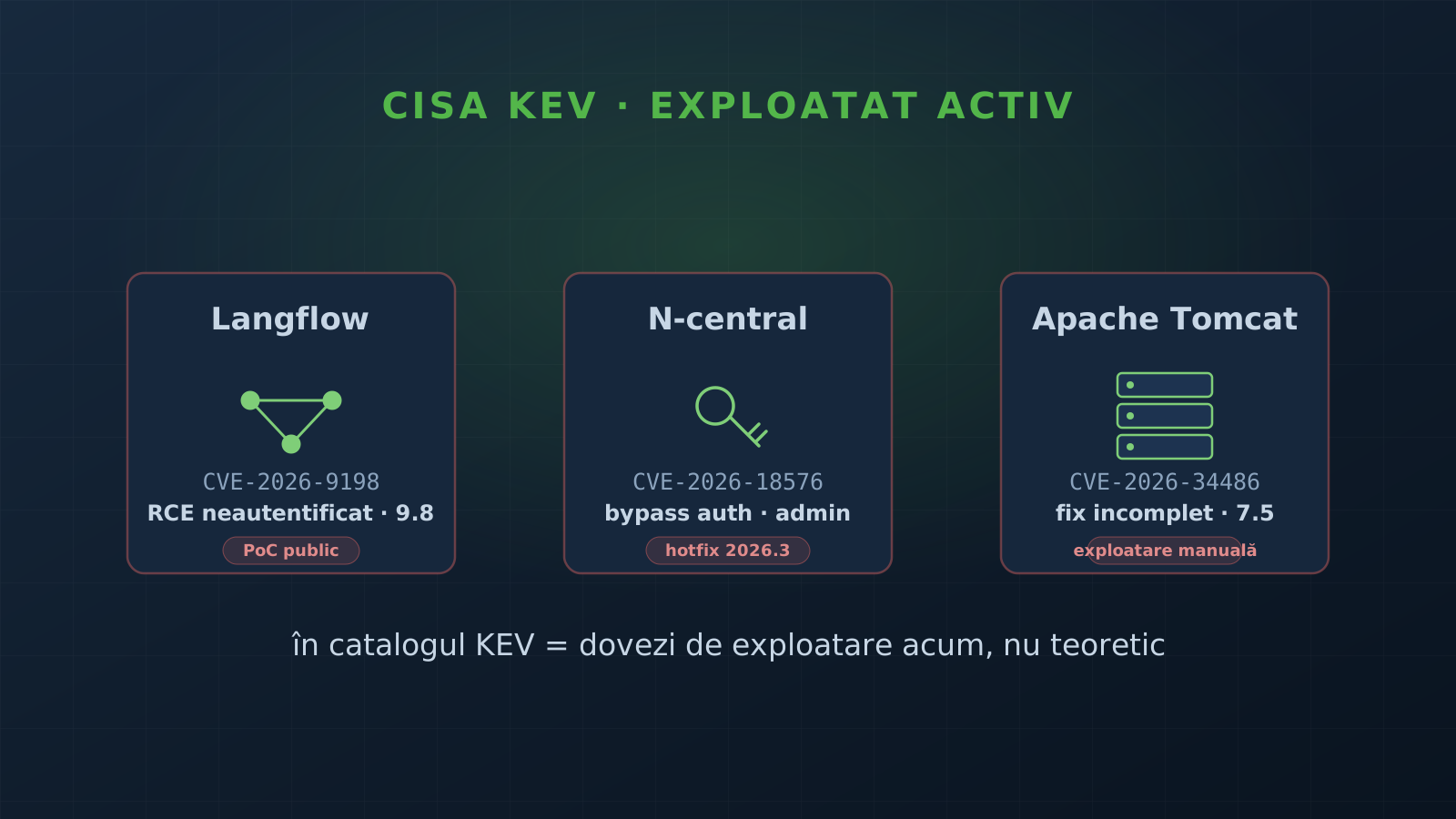
Illustration of three products — Langflow, N-central and Apache Tomcat — flagged as actively exploited in CISA's KEV catalog

CISA: three actively exploited flaws in Langflow, N-central and Apache Tomcat

CISA added three actively exploited vulnerabilities to its KEV catalog: CVE-2026-9198 in IBM Langflow (unauthenticated RCE, CVSS 9.8), CVE-2026-18576 in N-able N-central (authentication bypass, admin account takeover) and CVE-2026-34486 in Apache Tomcat (incomplete fix, CVSS 7.5). Public PoC for Langflow, an emergency hotfix for N-central. What they are, who is affected, and what to do now.

Read the article
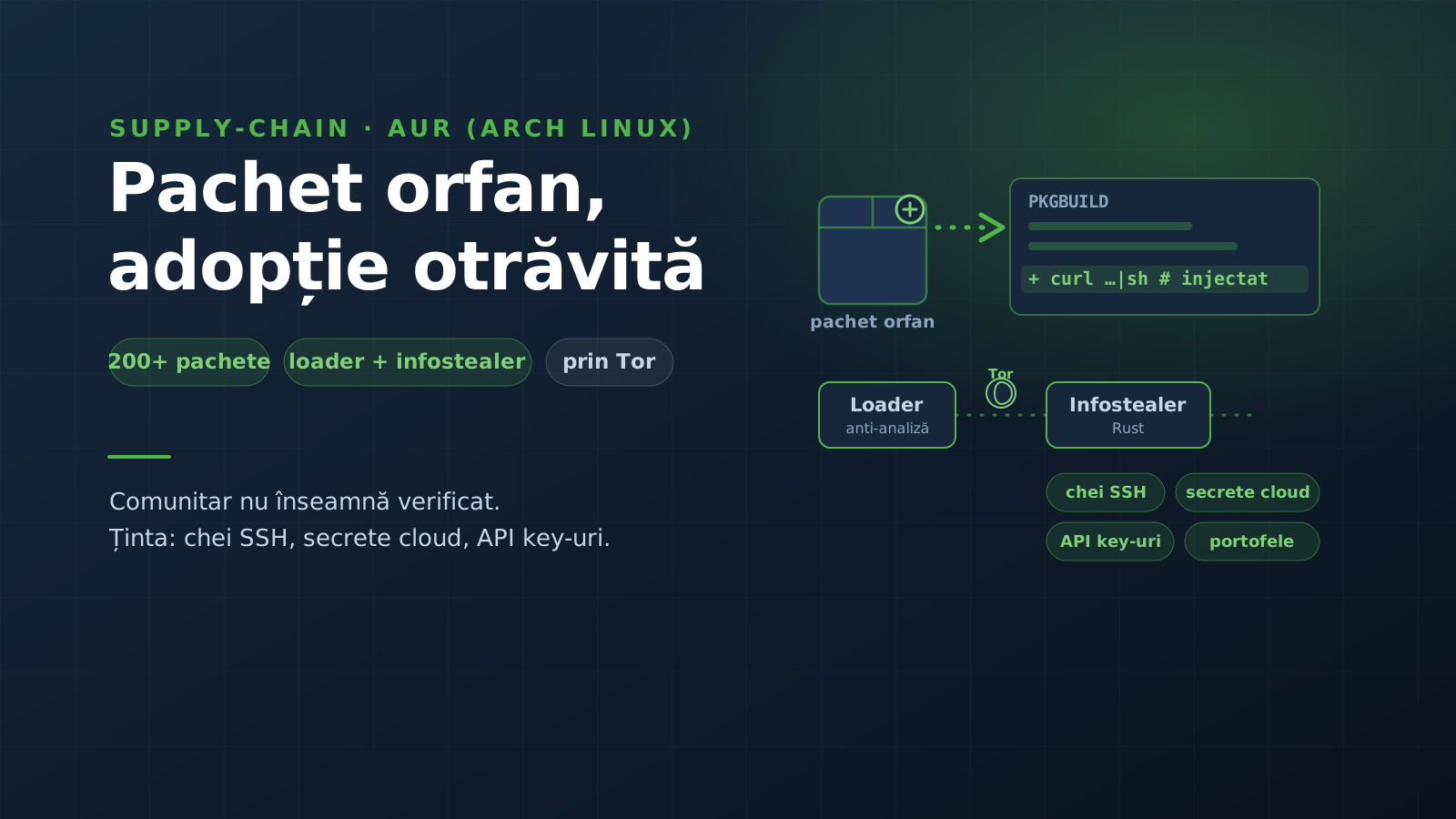
Illustration of a community software package taken over by an attacker injecting malicious code into the build file

Arch Linux disabled AUR package adoption to stop a malware flood

Attackers took over 200+ packages in the Arch User Repository (AUR) by adopting orphaned packages and injecting malicious code into build files — an anti-analysis loader plus a Rust infostealer delivered over Tor that steals SSH keys, cloud secrets and API keys. Arch temporarily disabled adoption. How it worked, and the supply-chain lesson.

Read the article
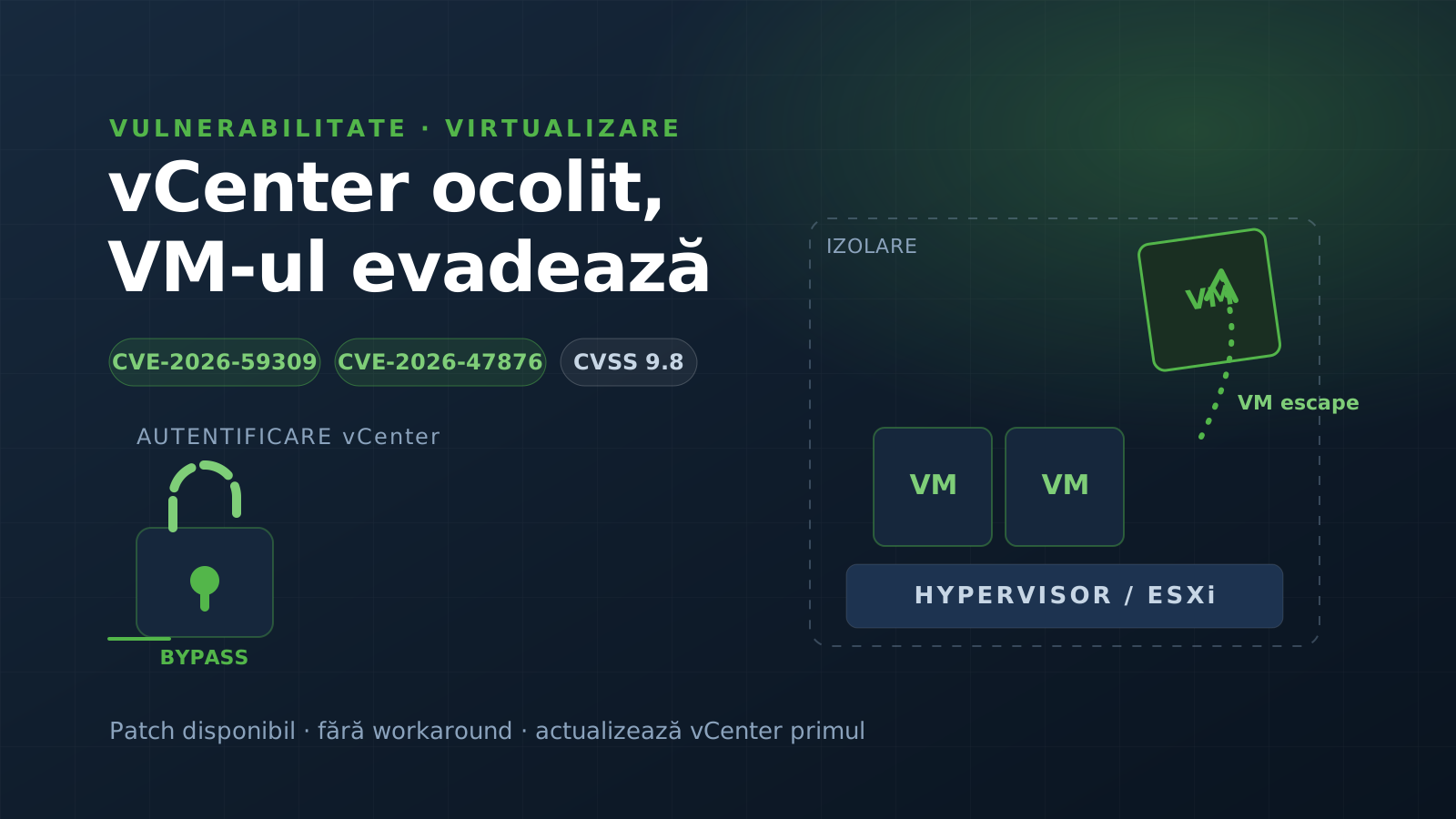
Illustration of a hypervisor with stacked virtual machines, one escaping its isolation, and a bypassed authentication lock

VMware fixes three critical flaws: vCenter auth bypass and VM escape

Broadcom has shipped patches for three critical VMware flaws: a vCenter authentication bypass (CVE-2026-59309) and code execution (CVE-2026-59310), both CVSS 9.8 and unauthenticated, plus a virtual-machine escape (CVE-2026-47876, CVSS 9.3). Not yet exploited — but there is no workaround. What to update, and in what order.

Read the article
Illustration of an information system taken down by a cyberattack

ANCPI cyberattack (2026): timeline and confirmed facts

ANCPI cyberattack, July 2026: the timeline of the cadastre and land-registry outage (e-Terra) and the facts confirmed by ANCPI and DNSC. What is confirmed, what is not, and what the attacker claimed.

Read the article